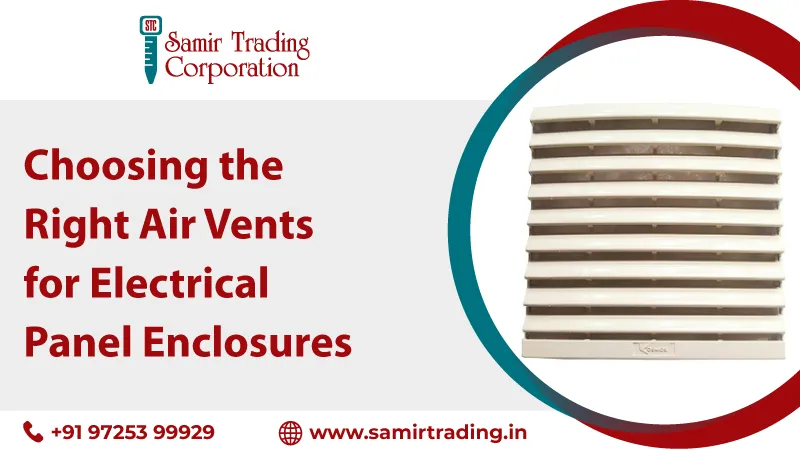
Electrical panels operate continuously under load. Heat builds up inside enclosures due to current flow, component density, and environmental conditions. Without proper ventilation, excess heat affects performance, safety, and service life. Air vents play a direct role in controlling internal temperature and maintaining stable operating conditions. Selecting the right air vents for electrical panel enclosures is not optional. It is a critical design and maintenance decision.
Air vents allow controlled airflow while protecting internal components from dust, moisture, and contaminants. They support natural or forced convection and help panels meet thermal and safety requirements. Professionals working with electrical panels rely on experienced Air Vents Suppliers to deliver products that balance airflow, protection, and durability.
Why Air Vents Are Important in Electrical Panels
Electrical components generate heat during operation. If heat remains trapped, internal temperatures rise beyond safe limits. This leads to reduced efficiency, component aging, and unexpected shutdowns.
Air vents let hot air out while letting cooler air flow in. This stabilizes internal temperatures and supports continuous operation. Proper ventilation also reduces condensation risk caused by temperature differences between the panel interior and surrounding environment.
Panels installed in industrial, commercial, or outdoor locations face varying thermal loads. Air vents help manage these conditions without complex cooling systems. Their role supports safety, reliability, and energy efficiency.
How Air Vents Work in Panel Enclosures
Air vents are designed openings fitted with protective elements. These elements allow airflow while blocking dust, insects, and moisture. Many vents use louvers, membranes, or filters to regulate air movement. Natural convection vents rely on heat rising and escaping through upper openings. Cooler air enters from lower vents. Forced ventilation systems may combine vents with fans to increase airflow.
Breather vents equalize pressure differences caused by temperature changes. This prevents stress on seals and reduces moisture ingress. The right vent design depends on panel size, heat load, and environmental exposure. This makes guidance from professional Air Vents Suppliers valuable during selection.
Key Factors to Consider When Choosing Air Vents
Heat dissipation requirements come first. Calculate heat generated by internal components. Panel size and layout affect airflow paths. Environmental conditions influence vent material and protection level.
Ingress protection rating defines resistance to dust and water. Maintenance needs affect filter selection and access. Compliance with electrical and safety standards matters.
Reliable Air Vents Suppliers help align these factors with the correct product.
Role of Ingress Protection in Air Vent Selection
Ingress protection ratings define how well vents block solids and liquids. Panels in dusty areas need higher dust protection. Outdoor panels require water resistance. Breather vents with membrane technology support airflow without allowing rain or splashes inside. Filter vents stop dust but need regular cleaning or replacement. Matching IP rating with installation environment protects internal components and reduces maintenance issues.
Material Selection and Durability
Air vents are made from plastic, metal, or composite materials. Plastic vents resist corrosion and suit indoor panels. Metal vents offer strength in industrial settings. UV resistance matters for outdoor installations. Heat resistance supports long-term performance near hot components. Quality materials reduce cracking, deformation, and airflow restriction over time. This highlights the importance of sourcing from trusted Air Vents Suppliers.
Airflow Management and Thermal Balance
Air vents support airflow balance inside the enclosure. Poor placement creates hot spots. Correct positioning improves heat removal. Lower vents allow cool air intake. Upper vents allow hot air exhaust. Fan-assisted systems require coordinated inlet and outlet vents. Balanced airflow protects sensitive components and supports stable operation.
Applications Across Industries
In industrial control panels, air vents manage heat from drives and controllers. In commercial buildings, they support HVAC and power distribution panels. In outdoor installations, they protect panels exposed to weather changes. In telecom and data systems, they manage heat in compact enclosures. With these applications, experienced Air Vents Suppliers support performance consistency.
Common Mistakes in Air Vent Selection
Choosing vents based only on size ignores airflow needs. Ignoring environmental exposure leads to moisture or dust ingress. Poor vent placement reduces cooling effectiveness. Skipping maintenance planning increases filter blockage risk. Avoiding these mistakes improves system reliability and reduces downtime.
Maintenance and Service Considerations
Filter vents require periodic inspection and replacement. Blocked vents reduce airflow and raise temperatures. Breather vents should be checked for membrane damage. Easy-access designs simplify maintenance tasks. A maintenance-friendly vent design supports long-term performance.
Long-Term Benefits of Proper Air Vent Selection
- Stable internal temperatures improve component life.
- Reduced overheating lowers failure risk.
- Controlled airflow reduces condensation issues.
- Lower maintenance costs improve operational efficiency.
- These benefits show the long-term value of choosing the right air vents.
Compliance and Safety Considerations
Electrical panels must meet safety and operational standards. Proper ventilation supports compliance by managing heat and pressure. Fire safety requirements may influence material selection. Environmental regulations may affect material and design choices. Working with professional Air Vents Suppliers helps meet these expectations.
Why Choose Us
Samir Trading provides air vents with a clear focus on thermal control and enclosure protection. The company understands how airflow, ingress protection, and material quality affect panel performance. Samir Trading supports customers with accurate specifications and application-based guidance. Clients benefit from products that maintain stable temperatures and protect internal components across varied environments. This commitment to clarity and reliability makes Samir Trading a dependable partner for air vent solutions.
Conclusion
Choosing the right air vents for electrical panel enclosures directly affects safety, performance, and service life. Air vents manage heat, balance pressure, and protect components from environmental exposure. Proper selection depends on heat load, environment, material, and airflow design. Mistakes in choice lead to overheating and maintenance issues. Partnering with a dependable supplier brings considerable benefits. Samir Trading supports these needs with dependable air vent solutions and technical clarity. For stable and reliable electrical panels, proper air vent selection remains a critical decision.
For more information on choosing the right air vents for electrical panel enclosures, Call +91 9725399929 or email samirtradingcorp@gmail.com
Key Takeaways
- Critical for Heat Management
Air vents allow hot air to escape and cooler air to enter electrical panels, stabilizing internal temperatures, preventing component overheating, and improving overall system performance. - Protection Against Dust, Moisture, and Contaminants
Properly selected vents, such as breather and filter vents, prevent dust, water, and debris from entering enclosures while maintaining airflow, supporting both safety and longevity. - Type and Placement Matter
Louvers, breather vents, filter vents, and fan-assisted vents serve different purposes. Correct selection and strategic placement prevent hot spots, improve cooling efficiency, and ensure balanced airflow. - Material and Environmental Considerations
Vent materials—plastic, metal, or composite—must match panel location, environmental exposure, and durability needs. UV, heat, and corrosion resistance are key factors for outdoor or industrial panels. - Maintenance and Supplier Expertise Are Essential
Filter and breather vents require periodic inspection and care. Partnering experienced Air Vents Suppliers ensures proper selection, compliance with IP ratings, and long-term performance reliability.